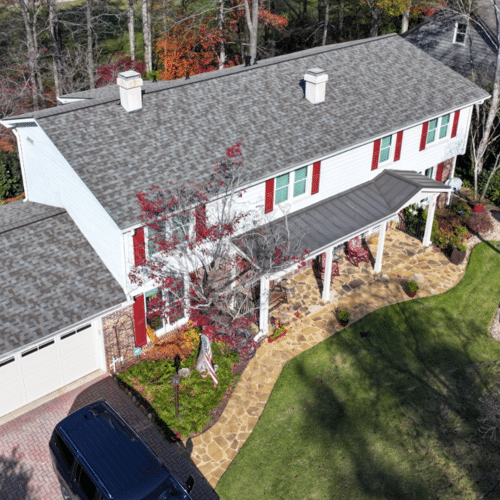
When it comes time to replace or upgrade your roof, one of the biggest decisions you’ll face is choosing the right asphalt shingles. With so many options available, varying in style, color, weight, and performance rating, the selection process can feel overwhelming. But making the right choice upfront can save you money and protect your family for decades to come.
This guide walks you through the key factors every homeowner should consider before committing to a shingle product.
Understanding the Types of Asphalt Shingles
Before diving into aesthetics or cost, it helps to understand that not all asphalt shingles are created equal. There are two primary categories most homeowners will encounter:
- Standard three-tab shingles are the more traditional option. They have a flat, uniform appearance and are typically lighter in weight. They’ve been used on homes for generations and remain a budget-friendly choice. However, they generally have a shorter lifespan and less wind resistance than their counterparts.
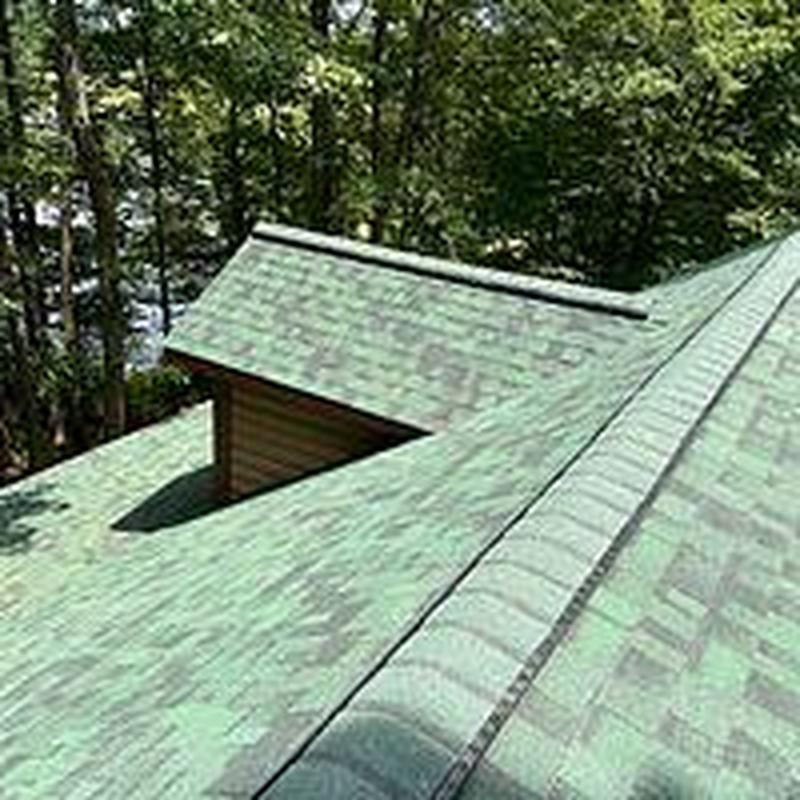
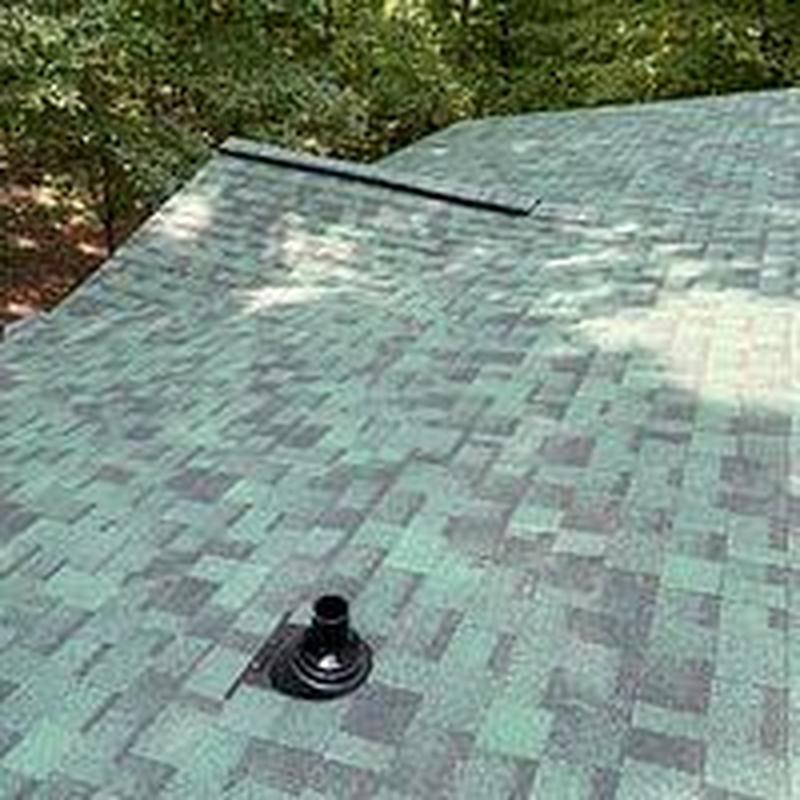
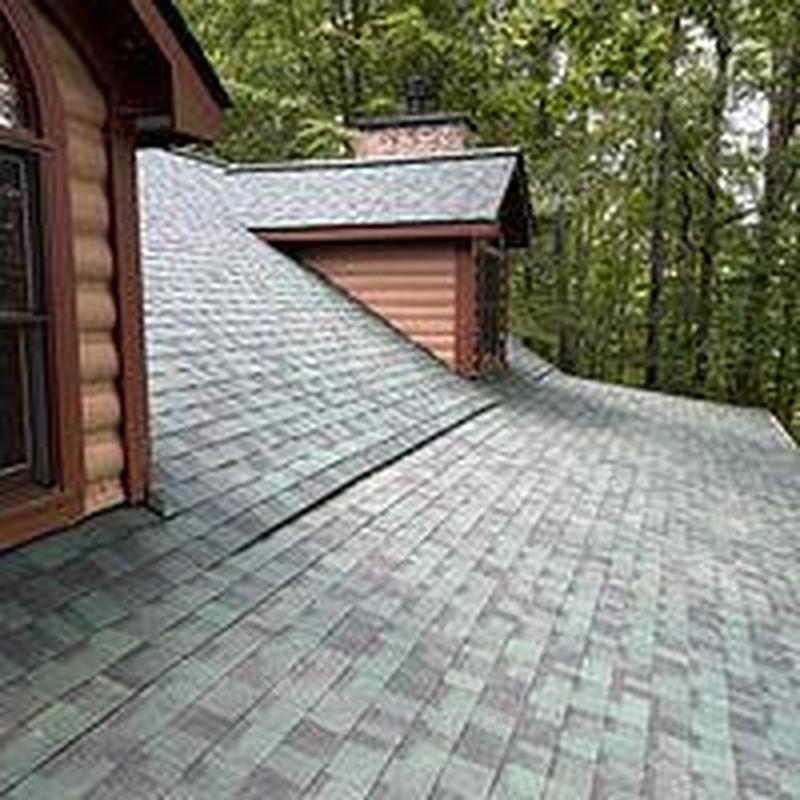
- Architectural (or dimensional) shingles are thicker and layered, giving your roof a textured, multi-dimensional look that mimics the appearance of wood shake or slate. They tend to be more durable and carry better warranties. They are considered the industry standard for most new installations and replacements today.
There is also a premium tier of shingles designed to replicate high-end roofing materials with even greater thickness and visual detail. These are worth considering if you have a distinctive home or want maximum curb appeal.
Climate and Weather Resistance
One of the most practical considerations is how well your shingles will hold up in your local climate. Not every shingle performs the same in every environment.
If you live in an area prone to strong winds, look for shingles with a high wind resistance rating. In regions with frequent hail, impact-resistant shingles can significantly reduce the risk of damage and may even lower your homeowner’s insurance premium.
For hot, sunny climates, look for shingles with reflective properties that help manage heat absorption and reduce cooling costs. In areas with heavy snow and ice, proper installation paired with the right shingle weight and design can help prevent ice dams and moisture infiltration.
Always match your shingle choice to your regional weather patterns. What works in a mild coastal climate may not be the best fit for a region that experiences extreme temperature swings.
Durability and Lifespan
Every homeowner wants a roof that lasts. While no type of shingle will last forever, understanding expected lifespans will help you make a smarter investment.
Standard three-tab shingles typically carry shorter lifespans, while architectural shingles are engineered to last significantly longer. Premium shingles can offer even greater longevity. Keep in mind that actual lifespan depends heavily on installation quality, attic ventilation, roof pitch, and local weather conditions.
Warranty terms are another important signal of durability. Pay attention to both the material warranty (covering defects in the shingle itself) and the workmanship warranty offered by your installer. A shingle with a strong warranty reflects the manufacturer’s confidence in its product.
If your home has experienced previous roof repair due to storm damage or aging materials, investing in a more durable shingle tier can help prevent future issues and reduce long-term maintenance costs.
Aesthetic Appeal and Curb Value
Asphalt shingles have come a long way in terms of design. Today’s options include a wide range of colors and textures that can dramatically enhance the look of your home.
When choosing a color, consider the overall exterior palette of your home, the siding color, trim, brick or stone accents, and even your landscaping. Darker shingles tend to give a more dramatic, grounded look, while lighter tones can brighten a home’s appearance and reflect more heat.
Texture matters too. A dimensional or architectural shingle adds depth and shadow lines that make a roof look more custom and high-end compared to flat, uniform options.
If resale value is a priority, choose a shingle style and color that has broad appeal. Neutral tones and classic profiles tend to photograph well and appeal to a wide range of buyers.
Energy Efficiency Considerations
Energy efficiency is an increasingly important factor for homeowners. Some asphalt shingles are designed with reflective granules that reduce the amount of heat absorbed through the roof, which can help lower cooling costs during warm months.
Look for products that carry recognized energy efficiency ratings or certifications. While no shingle eliminates energy costs on its own, pairing an energy-efficient shingle with proper attic insulation and ventilation creates a system that works together to keep your home comfortable year-round.
Budget and Long-Term Value
Price is always a factor, but it’s important to think beyond the upfront cost. A less expensive shingle may save money today, but it can cost more in repairs or need earlier replacement. It might even mean higher energy bills down the road.
Consider the total cost of ownership: the initial material and installation cost, the expected lifespan, the warranty coverage, and the potential energy savings. In many cases, upgrading to a mid-range or premium shingle pays for itself over the life of the roof.
Also factor in the cost of labor. Shingle installation is a skilled trade, and cutting corners on installation (regardless of the quality of materials) can lead to premature failure. A quality installer with a solid reputation is just as important as the shingle you choose.
Working With Your Contractor
Once you’ve done your research, lean on your roofing contractor to help you finalize your decision. A reputable contractor will assess your roof’s structure, slope, existing ventilation, and any underlying issues before recommending a product.
Ask questions. Request to see samples. Ask about manufacturer certifications and whether the installer is certified to apply certain premium product lines (which may be required to honor the full warranty).
A good contractor will never rush you into a decision and will take time to explain the differences between products in their recommended price range.
Ready to Replace Your Roof? Let’s Talk.
Choosing the right asphalt shingles is a big decision, and you don’t have to make it alone. We specialize in professional roof installation for homeowners who want expert craftsmanship and a team they can trust.
From the first consultation to the final nail, we’ll guide you through every step of the process, helping you choose the right shingle for your home, your climate, and your budget. Our team is committed to delivering results that last.
Contact us today for a free, no-obligation roof inspection and estimate. Let’s make sure your home is protected for years to come.
Frequently Asked Questions
How do I know which shingle is best for my climate?
Talk to a local roofing professional who understands regional weather patterns. They can recommend shingles with the appropriate wind, impact, and moisture resistance ratings for your area.
Does shingle color affect my energy bills?
Yes, to some extent. Lighter-colored and specially coated shingles reflect more sunlight and can help reduce heat buildup in your attic, potentially lowering cooling costs. However, attic ventilation and insulation also play a major role.
Are more expensive shingles always better?
Not always, but they typically offer greater durability and longer warranties. The right choice depends on your budget, how long you plan to stay in the home, and your local climate demands.
How long does a shingle roof installation take?
For most standard residential roofs, installation can be completed in one to two days. Larger or more complex roofs may take longer. Weather conditions also play a role in scheduling.
Can I install new shingles over my existing roof?
In some cases, yes, a second layer of shingles can be applied over an existing layer. However, this approach has limitations and may not be recommended depending on the condition of the existing roof, local building codes, or the type of shingles being installed. A professional inspection will determine what’s best.
What maintenance do asphalt shingles require?
Asphalt shingles are relatively low-maintenance. Routine inspections (especially after major storms), cleaning of debris and moss growth, and keeping gutters clear are the main tasks. Catching small issues early prevents costly repairs later.